

At that time in 2014, my main goal was to generate revenue through websites using digital marketing.
I wanted to understand how online traffic could actually turn into real income.
Between 2013 and 2014, I spent nearly a year deeply researching digital marketing. During that time, I studied different strategies such as SEO, content marketing, website monetization, and online traffic generation.
However, everything I had learned was still theoretical.
I needed a real environment where I could test these strategies.
Why did I choose CPA & Affiliate Marketing in the beginning?
At that stage, I had no revenue and limited resources.
Building a product or launching a service would have required significant time, investment, and operational effort. I wanted a model where I could focus purely on learning and executing digital marketing strategies.
CPA and affiliate marketing seemed like the most practical way to start because I could focus on generating traffic and conversions without needing to create my own product.
So I decided to build a niche-based website and use it as a testing ground.
My Initial Belief
I strongly believed that digital marketing had massive potential to generate income online.
But I also understood one important thing.
Digital marketing cannot be mastered through theory alone. It requires real experimentation.
To learn it properly, I needed a real website, real traffic, and real monetization methods. Only then could I simulate real business conditions and apply the strategies I had studied the hard way.
The Experiment Setup
The experiment started in 2014 with a niche-based website project.
My Skill Level at the Start
By the time I started the project, I had already learned several foundational digital marketing skills, including:
• Website development
• Basic server management
• Identifying low-competition and high-potential niches
• Keyword research and search intent analysis
• Content creation
• On-page and off-page SEO implementation
• Social media promotion strategies
Although I had learned these concepts, I had not yet tested them extensively in a real project.
Capital Invested
The initial investment was minimal and mainly covered basic infrastructure such as:
• Domain purchase
• Web hosting server
• Internet and basic operational expenses
The focus was not on heavy spending but on execution and learning.
Tools Used
To execute this project effectively, I relied on several digital marketing tools.
For research and strategy planning:
• Google Keyword Planner
• Ahrefs
• SEMrush
These tools helped identify potential niches, analyze keyword difficulty, study competitors, and plan an SEO strategy.
For performance tracking and analytics:
• Google Analytics
• Google Tag Manager
• Google Search Console
• Keyword ranking tracking tools
These platforms helped monitor traffic growth, search performance, and conversion activity.
For on-page SEO analysis:
• Screaming Frog
This tool helped analyze on-site SEO issues and create an execution plan to improve website performance and optimization.
My Initial Strategy
The strategy was relatively straightforward.
First, identify a niche that had strong monetization potential. Then focus on long-tail keywords with lower competition to gain initial visibility.
Once the website started gaining traction, the plan was to target larger search-volume keywords and expand the traffic sources.
Traffic generation efforts included:
• Search Engine Optimization (SEO)
• Social media promotion
• YouTube content
• Online forums and communities
The goal was to gradually increase targeted traffic and improve conversion opportunities.
Expected Outcome
The primary objective of this experiment was simple.
First, validate whether the niche and monetization model could generate conversions.
Once the initial conversions were achieved, the plan was to scale the traffic using multiple marketing channels and expand the revenue potential.
Turning Point: My First Revenue
After implementing SEO strategies, a few pages on the website started getting impressions and clicks from search engines like Google and Bing.
However, for the first three months, there were no conversions.
Then one day something unexpected happened.
I received a notification from an affiliate network confirming that a conversion had been recorded.
That single conversion felt incredibly rewarding.
It validated my idea and confirmed that my years of research and experimentation were moving in the right direction.
Once the first conversion validated the model, my confidence increased significantly.
I started focusing more aggressively on scaling traffic and improving the website’s reach.
As traffic grew, conversions also started increasing.
Within a short time, the revenue became meaningful enough to justify the time and effort I had invested.
Major Breakthrough
The real breakthrough came when I began expanding beyond a single affiliate network.
I joined multiple affiliate platforms and started experimenting with different offers.
At the same time, I invested more time in learning additional digital marketing channels, especially paid media strategies.
This included studying and testing:
• Pop advertising networks
• Mobile marketing channels
• Native advertising platforms
• Search engine marketing (SEM)
• Social media advertising
Through this process, my understanding of online marketing expanded significantly and helped me develop deeper expertise in digital traffic generation and monetization.
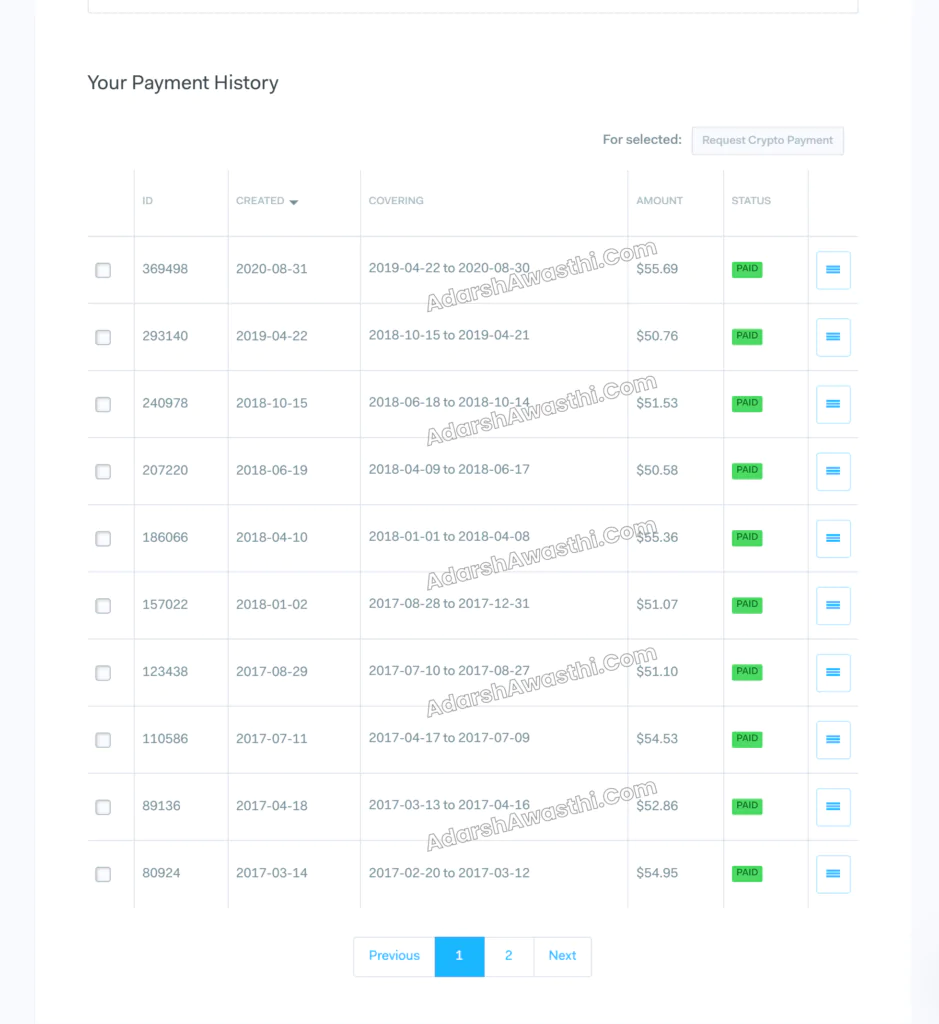
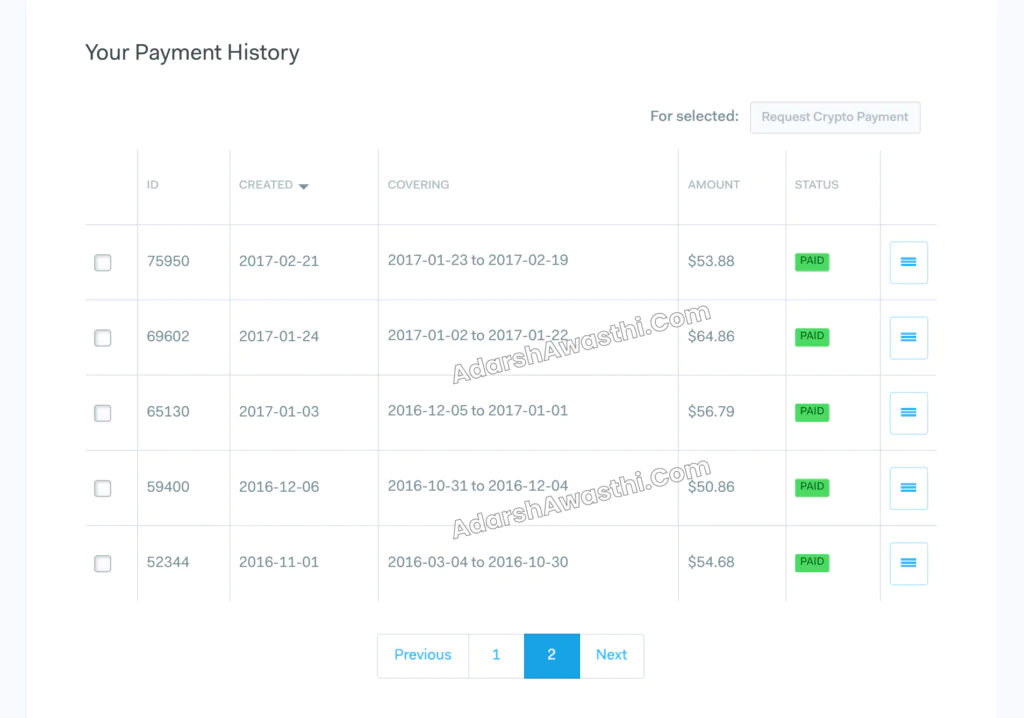
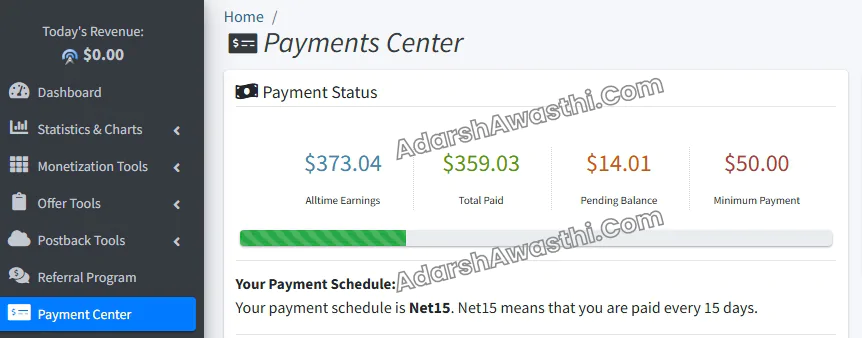
Earnings Proofs
Below is some screenshots from my CPA and affiliate network dashboard showing actual payouts I received during this experiment.
Earning Report from CPA & Affiliate Network 1

Earning Report from CPA & Affiliate Network 2
Earning Report from CPA & Affiliate Network 3
This experience proved that CPA and affiliate marketing can work, but only when backed by the right strategy, experimentation, and persistence.
It was not just about earning money, but about learning how real digital marketing works.